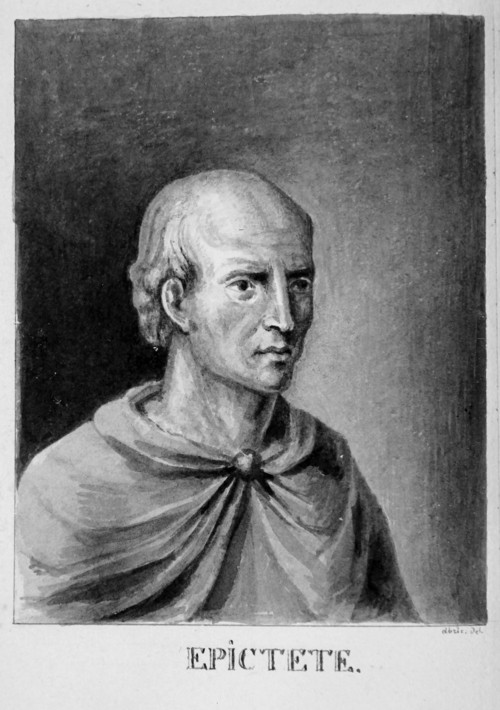
via Wikipedia · CC-BY-SA
80
Ideas
4
Passages
348
Citations
Works cited (1)
Ideas this author touches 80 Ideas · click an Idea to read in context
Good And Evil25God20Happiness14Knowledge13Man13Will11Education10Love9Pleasure And Pain8Reasoning8Habit7Rhetoric7Virtue And Vice7Desire6Mind6Slavery6State6Truth6Wisdom6Courage5Family5Honor5Justice5Liberty5Logic5One And Many5World5Beauty4Citizen4Duty4Emotion4Life And Death4Nature4Necessity And Contingency4Opposition4Philosophy4Poetry4Prudence4Religion4Temperance4Tyranny4Being3Change3Dialectic3Immortality3Opinion3Prophecy3Punishment3Relation3Animal2Art2Cause2Infinity2Labor2Medicine2Principle2Sense2Sign And Symbol2Angel1Chance1Custom And Convention1Element1Eternity1Evolution1Experience1Fate1Government1Hypothesis1Idea1Language1Law1Matter1Memory And Imagination1Progress1Same And Other1Sin1Soul1Universal And Particular1War And Peace1Wealth1
This MindMap is generated using weights to determine which ideas this thinker debates with others.
Passages by work
The Discourses4 passages
Discourses, BK i, CH 3 108b-c; CH 12 118d-120b; CH 14 120d-121c; BK 11, CH 16, 158b-d; BK iv, CH 4, 226d-228a; CH n, 240d-241a✓ correct
BOOK ONE
Chapter 1
Of the things which are in our Power, and not in our Power
Of all the faculties, you will find not one which is capable of contemplating itself; and, consequently, not capable either of approving or disapproving. How far does the grammatic art possess the contemplating power? As far as forming a judgement about what is written and spoken. And how far music? As far as judging… Read the rest of this passage →
Discourses, BK n, CH 17, 158d- 159b✓ correct
BOOK THREE
Chapter 1
Of finery in dress
A certain young man a rhetorician came to see Epictetus, with his hair dressed more carefully than was usual and his attire in an ornamental style; whereupon Epictetus said: Tell me you do not think that some dogs are beautiful and some horses, and so of all other animals. "I do think so," the youth replied. Are not then some men also beautiful and…
Discourses, BK iv, CH n, 242a-d TR vi 21a-26a / Fifth Ennead, TR ix, CH 2 246d-247b✓ correct
BOOK FOUR
Chapter 1
About freedom
He is free who lives as he wishes to live; who is neither subject to compulsion nor to hindrance, nor to force; whose movements to action are not impeded, whose desires attain their purpose, and who does not fall into that which he would avoid. Who, then, chooses to live in error? No man. Who chooses to live deceived, liable to mistake, unjust, unrestrained,… Read the rest of this passage →
Discourses, BK ii, CH r8 161a- 162b✓ correct
BOOK TWO
Chapter 1
That confidence is not inconsistent with caution
The opinion of the philosophers, perhaps, seems to some to be a paradox; but still let us examine as well as we can, if it is true that it is possible to do everything both with caution and with confidence. For caution seems to be in a manner contrary to confidence, and contraries are in no way consistent. That which seems to… Read the rest of this passage →
Cited under: Angel · Animal · Art · Beauty · Being · Cause · Chance · Change · Citizen · Courage · Custom And Convention · Desire · Dialectic · Duty · Education · Element · Emotion · Eternity · Evolution · Experience · Family · Fate · God · Good And Evil · Government · Habit · Happiness · Honor · Hypothesis · Idea · Immortality · Infinity · Justice · Knowledge · Labor · Language · Law · Liberty · Life And Death · Logic · Love · Man · Matter · Medicine · Memory And Imagination · Mind · Nature · Necessity And Contingency · One And Many · Opinion · Opposition · Philosophy · Pleasure And Pain · Poetry · Principle · Progress · Prophecy · Prudence · Punishment · Reasoning · Relation · Religion · Rhetoric · Same And Other · Sense · Sign And Symbol · Sin · Slavery · Soul · State · Temperance · Truth · Tyranny · Universal And Particular · Virtue And Vice · War And Peace · Wealth · Will · Wisdom · World