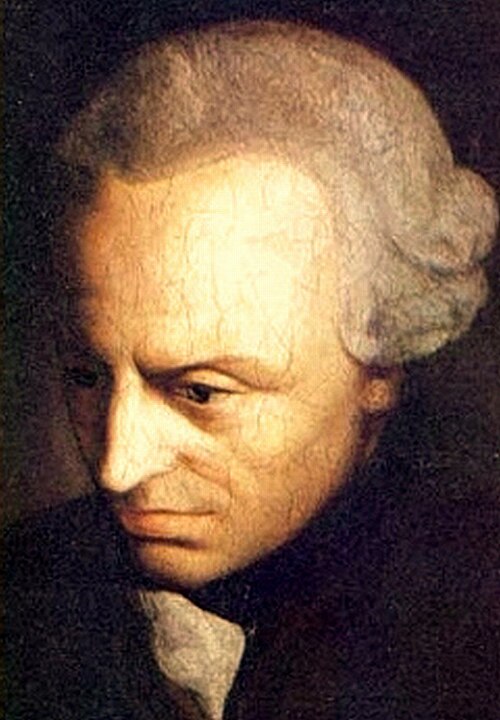
via Wikipedia · CC-BY-SA
100
Ideas
9
Passages
1,380
Citations
Works cited (6)
Ideas this author touches 100 Ideas · click an Idea to read in context
State37God36Knowledge36Will36Law35Reasoning31Virtue And Vice28Being27Man26One And Many26Government25Idea25Justice25Good And Evil24Mind24Sense23Truth23Science21Necessity And Contingency20Philosophy20Happiness19Pleasure And Pain19Wealth19Nature18Punishment18Relation18Change17Judgment17Art16Education16Love16Principle16Constitution15Democracy15Liberty15Mathematics15Opinion15Emotion14Experience14Labor14Family13Form13Infinity13Memory And Imagination13Monarchy13Same And Other13Slavery13War And Peace13World13Desire12Logic12Space12Animal11Cause11Citizen11Habit11Opposition11Prudence11Religion11Life And Death10Quality10Quantity10Tyranny10Beauty9Definition9Hypothesis9Progress9Soul9Time9Aristocracy8Dialectic8Eternity8Evolution8Honor8Matter8Poetry8Rhetoric8Universal And Particular8Astronomy7Courage7Duty7Physics7Revolution7Temperance7Wisdom7Custom And Convention6Mechanics6Sign And Symbol6Chance5Immortality5Language5Oligarchy5Element4Induction4Metaphysics4Theology4Fate3Medicine2Angel1Sin1
This MindMap is generated using weights to determine which ideas this thinker debates with others.
Passages by work
Critique of Practical Reason2 passages
Practical Reason, 361c / Judgement, 551a-552a✓ correct
Practical principles are propositions which contain a general determination of the will, having under it several practical rules. They are subjective, or maxims, when the condition is regarded by the subject as valid only for his own will, but are objective, or practical laws, when the condition is recognized as objective, that is, valid for the will of every rational being.
Remark.
Supposing… Read the rest of this passage →
Practical Reason, 334b-335b A 5, ANS 58b-59d; Q 91, A i 208b-d; PART in,
Practical principles are propositions which contain a general determination of the will, having under it several practical rules. They are subjective, or maxims, when the condition is regarded by the subject as valid only for his own will, but are objective, or practical laws, when the condition is recognized as objective, that is, valid for the will of every rational being.
Remark.
Supposing… Read the rest of this passage →
Cited under: Astronomy · Cause · Chance · Courage · Desire · Dialectic · Duty · Education · Emotion · Eternity · Experience · Fate · God · Good And Evil · Habit · Happiness · Honor · Infinity · Knowledge · Language · Law · Liberty · Love · Man · Opposition · Philosophy · Pleasure And Pain · Prudence · Punishment · Religion · Rhetoric · Same And Other · Temperance · Theology · Virtue And Vice · Will · Wisdom · World
The Science of Right1 passage
Science of Right, 450a-d \b to 2b CHAPTER 3: ARISTOCRACY '59✓ correct
I am so connected with it, that if any other person should make use of it without my consent, he would do me a lesion or injury. The subjective condition of the use of anything is possession of it.
An external thing, however as such could only be mine, if I may assume it to be possible that I can be wronged by the use which another might make of it when it is not actually in my possession. Hence…
Cited under: Aristocracy · Art · Citizen · Constitution · Courage · Custom And Convention · Democracy · Education · Emotion · Family · Government · Honor · Immortality · Justice · Labor · Language · Law · Liberty · Love · Man · Mind · Monarchy · Nature · Necessity And Contingency · Oligarchy · One And Many · Progress · Punishment · Religion · Revolution · Science · Sign And Symbol · Slavery · State · Tyranny · War And Peace · Wealth
Fundamental Principles of the Metaphysic of Morals2 passages
Fund. Prin. Metaphysic of Morals, 256d-257a / Practical Reason, 316c-317a✓ correct
If we have hitherto drawn our notion of duty from the common use of our practical reason, it is by no means to be inferred that we have treated it as an empirical notion. On the contrary, if we attend to the experience of men's conduct, we meet frequent and, as we ourselves allow, just complaints that one cannot find a single certain example of the disposition to act from pure duty. Although many… Read the rest of this passage →
Fund. Prin. Metophysic of Morals, B[753*7-15] [ii48 46^ 4] 398d; BK nil, CH i [i 155*1 6-21] > 262c-263a✓ correct
Nothing can possibly be conceived in the world, or even out of it, which can be called good, without qualification, except a good will. Intelligence, wit, judgement, and the other talents of the mind, however they may be named, or courage, resolution, perseverance, as qualities of temperament, are undoubtedly good and desirable in many respects; but these gifts of nature may also become extremely… Read the rest of this passage →
Cited under: Animal · Art · Being · Cause · Citizen · Courage · Custom And Convention · Definition · Desire · Duty · Education · Emotion · Experience · God · Good And Evil · Government · Habit · Happiness · Honor · Immortality · Justice · Knowledge · Law · Liberty · Life And Death · Love · Man · Mind · Nature · One And Many · Opposition · Philosophy · Physics · Pleasure And Pain · Progress · Prudence · Punishment · Science · State · Temperance · Truth · Virtue And Vice · Wealth · Will · Wisdom
Critique of Pure Reason1 passage
Pure Reason, 237c-d / Fund. Prtn. Metaphysic of Morals, 253d-254a; 259c-d; 263a; 263d-264d; 266a-c; 271a-277b; 278a; 280b-281a; 282c; 286a-287b / Practical Reason, 296a-c; 300a-c; 303b-304a; 305c-d; 308c- 309b; 321b-c; 325d-327a; 328b; 340c-d; 347d- 348b /Judgement, 508b; 572d-574b✓ correct
In the foregoing chapter we have merely considered the general conditions under which alone the transcendental faculty of judgement is justified in using the pure conceptions of the understanding for synthetical judgements. Our duty at present is to exhibit in systematic connection those judgements which the understanding really produces a priori. For this purpose, our table of the categories… Read the rest of this passage →
Cited under: Angel · Animal · Art · Astronomy · Beauty · Being · Cause · Chance · Change · Citizen · Constitution · Custom And Convention · Definition · Democracy · Dialectic · Duty · Education · Element · Emotion · Eternity · Evolution · Experience · Fate · Form · God · Good And Evil · Government · Habit · Happiness · Hypothesis · Idea · Immortality · Induction · Infinity · Judgment · Justice · Knowledge · Language · Law · Liberty · Life And Death · Logic · Man · Mathematics · Matter · Mechanics · Medicine · Memory And Imagination · Metaphysics · Mind · Nature · Necessity And Contingency · One And Many · Opinion · Opposition · Philosophy · Physics · Pleasure And Pain · Poetry · Principle · Progress · Prudence · Punishment · Quality · Quantity · Reasoning · Relation · Religion · Rhetoric · Same And Other · Science · Sense · Sign And Symbol · Soul · Space · State · Theology · Time · Truth · Universal And Particular · Virtue And Vice · War And Peace · Will · Wisdom · World
Critique of Judgement1 passage
Judgement, 558b-559a; 575b-578a; 578d-582c✓ correct
But the discovery of what is required for calling an object beautiful must be reserved for the analysis of judgements of taste. In my search for the moments to which attention is paid by this judgement in its reflection, I have followed the guidance of the logical functions of judging (for a judgement of taste always involves a reference to understanding). I have brought the moment of quality…
Cited under: Animal · Art · Beauty · Being · Chance · Change · Citizen · Courage · Custom And Convention · Definition · Desire · Dialectic · Education · Emotion · Evolution · Form · God · Good And Evil · Government · Habit · Honor · Judgment · Knowledge · Labor · Life And Death · Man · Mathematics · Mechanics · Medicine · Memory And Imagination · Mind · Nature · Necessity And Contingency · One And Many · Opinion · Philosophy · Physics · Pleasure And Pain · Poetry · Progress · Quantity · Reasoning · Relation · Religion · Rhetoric · Science · Sense · Sign And Symbol · Sin · Soul · Space · State · Truth · Universal And Particular · Virtue And Vice · War And Peace · Wealth · Will · World
The Metaphysical Elements of Ethics1 passage
Fund. Pnn. Metaphvsic of Morals, 256a- b / Pref. Metaphysical Elements of Ethics, 377d 44 Bosw ELL: Johnson, 251a; 539b✓ correct
Table of Contents
Preface
Introduction to the Metaphysical Elements of Ethics
Exposition of the Conception of Ethics
Exposition of the Notion of an End which is also a Duty
Of the Reason for conceiving an End which is also a Duty
What are the Ends which are also Duties?
Explanation of these two Notions
Ethics does not supply Laws for Actions (which is done by Jurisprudence), but only for… Read the rest of this passage →
Cited under: Courage · Emotion · Habit · Induction · Justice · Law · Liberty · Life And Death · Love · Punishment · Reasoning · Rhetoric · Temperance · Virtue And Vice