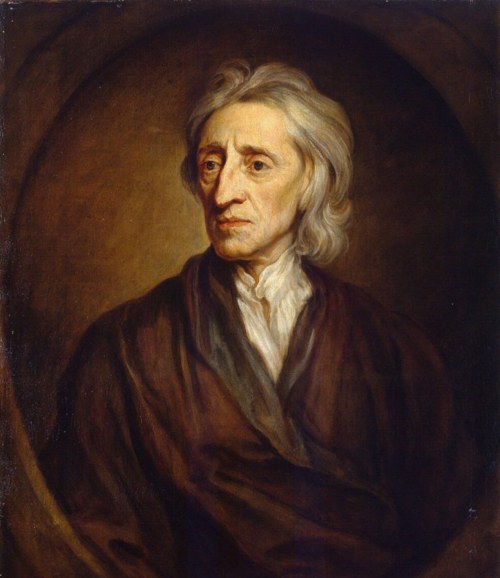
via Wikipedia · CC-BY-SA
99
Ideas
37
Passages
1,240
Citations
Works cited (3)
Ideas this author touches 99 Ideas · click an Idea to read in context
Knowledge40State36God35Law33Government28Mind27Idea26Justice26Being25Reasoning25Wealth25Religion24Sense24Memory And Imagination23Truth23Man22Monarchy21Will21Change20Virtue And Vice20Science19Emotion18Good And Evil18Punishment18Constitution17One And Many17Relation17Democracy16Happiness16Liberty16Nature16Sign And Symbol16Animal15Tyranny15Education14Pleasure And Pain14Same And Other14Family13Opinion13Time13War And Peace13Language12Principle12Revolution12Soul12Universal And Particular12Cause11Infinity11Mathematics11Matter11Philosophy11Quantity11Slavery11Custom And Convention10Desire10Experience10Logic10Necessity And Contingency10Quality10Space10Angel9Definition9Form9Judgment9World9Habit8Life And Death8Love8Eternity7Immortality7Progress7Aristocracy6Rhetoric6Citizen5Duty5Evolution5Hypothesis5Labor5Mechanics5Prudence5Element4Oligarchy4Sin4Astronomy3Opposition3Physics3Theology3Wisdom3Art2Beauty2History2Honor2Induction2Prophecy2Chance1Courage1Dialectic1Medicine1Metaphysics1
This MindMap is generated using weights to determine which ideas this thinker debates with others.
Passages by work
Essay Concerning Human Understanding22 passages
Human Understanding, BK i, CH in, SECT 15 116c-d✓ correct
Inquiry into the understanding, pleasant and useful. Since it is the understanding that sets man above the rest of sensible beings, and gives him all the advantage and dominion which he has over them; it is certainly a subject, even for its nobleness, worth our labour to inquire into. The understanding, like the eye, whilst it makes us see and perceive all other things, takes no notice of itself;… Read the rest of this passage →
Human Understanding, BK iv, CH HI, SECT 27 321d-322a; CH xvi, SECT 12, 370c- 371a✓ correct
Our assent ought to be regulated by the grounds of probability. The grounds of probability we have laid down in the foregoing chapter: as they are the foundations on which our assent is built, so are they also the measure whereby its several degrees are, or ought to be regulated: only we are to take notice that, whatever grounds of probability there may be, they yet operate no further on the mind… Read the rest of this passage →
Human Understanding, BK n, CH x, SECT 9 143a-c; CH xxm, SECT 13 207d-208b; BK IV, CH III, SECT 17 317c; CH XVII, SECT 14 378c-d✓ correct
We are capable of knowing certainly that there is a God. Though God has given us no innate ideas of himself; though he has stamped no original characters on our minds, wherein we may read his being; yet having furnished us with those faculties our minds are endowed with, he hath not left himself without witness: since we have sense, perception, and reason, and cannot want a clear proof of him, as… Read the rest of this passage →
Human Understanding, BK n, CH xxi, b a b SECT 5 179c-d; SECT 7-11 180a-d; CH xxxni, SECT 6 249a-b; BK iv, CH x, SECT 19 354a-c✓ correct
Science may be divided into three sorts. All that can fall within the compass of human understanding, being either, First, the nature of things, as they are in themselves, their relations, and their manner of operation: or, Secondly, that which man himself ought to do, as a rational and voluntary agent, for the attainment of any end, especially happiness: or, Thirdly, the ways and means whereby… Read the rest of this passage →
Human Understanding, BK iv, CH in, 84] 126a-b;✓ correct
Our knowledge conversant about our ideas only. Since the mind, in all its thoughts and reasonings, hath no other immediate object but its own ideas, which it alone does or can contemplate, it is evident that our knowledge is only conversant about them.
2. Knowledge is the perception of the agreement or disagreement of two ideas. Knowledge then seems to me to be nothing but the perception of the… Read the rest of this passage →
Human Understanding, BK iv^ CH v, - - SEcr8330d b / Interpretation, CH 3 [i6 i9~26] 25d-26a /✓ correct
A right joining or separating of signs, i.e. either ideas or words. Truth, then, seems to me, in the proper import of the word, to signify nothing but the joining or separating of Signs, as the Things signified by them do agree or disagree one with another. The joining or separating of signs here meant, is what by another name we call proposition. So that truth properly belongs only to… Read the rest of this passage →
Human Understanding, BK HI, CH iv, sECT8260d-261a
Principles not innate, unless their ideas be innate. Had those who would persuade us that there are innate principles not taken them together in gross, but considered separately the parts out of which those propositions are made, they would not, perhaps, have been so forward to believe they were innate. Since, if the ideas which made up those truths were not, it was impossible that the…
Human Understanding, BK n, CH n, SECT 2 128a-b; BK HI, CH HI, SECT 19 259c- 260a; CH vi, SECT 6 269d-270a; BK iv, CH i, SECT 9 308c-309b; CH HI, SECT 31 323c-d; CH xi, SECT 14 3S8b-c✓ correct
Treating of words necessary to knowledge. Though the examining and judging of ideas by themselves, their names being quite laid aside, be the best and surest way to clear and distinct knowledge: yet, through the prevailing custom of using sounds for ideas, I think it is very seldom practised. Every one may observe how common it is for names to be made use of, instead of the ideas themselves, even… Read the rest of this passage →
Human Understanding, BK u, CH xv, SECT 3-4 162d-163b; CH xvn, SECT 16-17 172a-c; SECT 20 172d-173c; BK iv, CH x 349c- 354c passim✓ correct
Probability is the appearance of agreement upon fallible proofs. As demonstration is the showing the agreement or disagreement of two ideas by the intervention of one or more proofs, which have a constant, immutable, and visible connexion one with another; so probability is nothing but the appearance of such an agreement or disagreement by the intervention of proofs, whose connexion is not… Read the rest of this passage →
Human Understanding, BK n, CH xv, SECT 2-4 162c-163b; SECT 12 165b-c; CH xvii, SECT 1 167d-168a; SECT 16-17 172a-c; SECT 20 172d-173c; CH xxin, SECT 33-36 212d-213d; BK III, CH VI, SECT II 271b-d✓ correct
Man fitted to form articulate sounds. God, having designed man for a sociable creature, made him not only with an inclination, and under a necessity to have fellowship with those of his own kind, but furnished him also with language, which was to be the great instrument and common tie of society. Man, therefore, had by nature his organs so fashioned, as to be fit to frame articulate sounds, which…
Human Understanding, BK n, CH ix, SECT 8-10 139b-140b; CH xxxm, SECT 5-18 248d-251c passim; BK iv, CH i, SECT 8-93080- 309b✓ correct
General propositions that are certain concern not existence. Hitherto we have only considered the essences of things; which being only abstract ideas, and thereby removed in our thoughts from particular existence, (that being the proper operation of the mind, in abstraction, to consider an idea under no other existence but what it has in the understanding,) gives us no knowledge of real existence… Read the rest of this passage →
Human Understanding, BK iv, CH iv, SECT 3 324b-c✓ correct
Knowledge placed in our ideas may be all unreal or chimerical.” I doubt not but my reader, by this time, may be apt to think that I have been all this while only building a castle in the air; and be ready to say to me:
“To what purpose all this stir? Knowledge, say you, is only the perception of the agreement or disagreement of our own ideas: but who knows what those ideas may be? Is there… Read the rest of this passage →
Human Understanding, 91d-92c; BK i, CH III, SECT 19 117c-dj BK II, CH XIII, SECT 17- 20 152a-d; CH xvi, SECT 3-4 165d-166b; CH xvii, SECT 7-8 169b-170a …✓ correct
No moral principles so clear and so generally received as the forementioned speculative maxims. If those speculative Maxims, whereof we discoursed in the foregoing chapter, have not an actual universal assent from all mankind, as we there proved, it is much more visible concerning practical Principles, that they come short of an universal reception: and I think it will be hard to instance any one… Read the rest of this passage →
Human Understanding, BK ii, CH xv, SECT ii 165a-b; CH xxm 204a-214b passim✓ correct
Both capable of greater and less. Though we have in the precedent chapters dwelt pretty long on the considerations of space and duration, yet, they being ideas of general concernment, that have something very abstruse and peculiar in their nature, the comparing them one with another may perhaps be of use for their illustration; and we may have the more clear and distinct conception of them by… Read the rest of this passage →
Human Understanding, BK iv, CH xx, SECT 2 389a-b✓ correct
Causes of error, or how men come to give assent contrary to probability. Knowledge being to be had only of visible and certain truth, error is not a fault of our knowledge, but a mistake of our judgment giving assent to that which is not true.
But if assent be grounded on likelihood, if the proper object and motive of our assent be probability, and that probability consists in what is laid down… Read the rest of this passage →
Human Understanding, BK iv, CH 11, SECT 9-10 311b-c; CH in, SECT 18-20 317d- 319c passim; SECT 29 322c-323a; CH iv, SECT 6-9 325a-326b …✓ correct
Knowledge of the existence of other finite beings is to be had only by actual sensation. The knowledge of our own being we have by intuition. The existence of a God, reason clearly makes known to us, as has been shown.
The knowledge of the existence of any other thing we can have only by sensation: for there being no necessary connexion of real existence with any idea a man hath in his memory;… Read the rest of this passage →
Human Understanding, BK iv, CH xvii, SECT 2 371d-372b; SECT 15-17 378d- 379c✓ correct
Various significations of the word “reason”. The word reason in the English language has different significations: sometimes it is taken for true and clear principles: sometimes for clear and fair deductions from those principles: and sometimes for the cause, and particularly the final cause. But the consideration I shall have of it here is in a signification different from all these; and that… Read the rest of this passage →
Human Understanding, BK iv, CH xix, SECT 15 388a-c✓ correct
He that would seriously set upon the search of truth ought in the first place to prepare his mind with a love of it. For he that loves it not will not take much pains to get it; nor be much concerned when he misses it. There is nobody in the commonwealth of learning who does not profess himself a lover of truth: and there is not a rational creature that would not take it amiss to be thought… Read the rest of this passage →
Human Understanding, BK n, CH ix, SECT 12 140c; BK III, CH VI, SECT 11-12 271b- 272b; BK iv, CH in, SECT 27 321d-322a; CH vi, SECT n 334b-335b; CH xvi, SECT 12, b Topics, BK n, CH ii [ii5 3-35] 161c-162a,c; 370c-371a B✓ correct
Words are used for recording and communicating our thoughts. From what has been said in the foregoing chapters, it is easy to perceive what imperfection there is in language, and how the very nature of words makes it almost unavoidable for many of them to be doubtful and uncertain in their significations. To examine the perfection or imperfection of words, it is necessary first to consider their… Read the rest of this passage →
Human Understanding, BK II,CH xxm, SECT 11-13 206d-208b; CH xxx, SECT 2 238b-c; CH xxxi, SECT 2 239b-d; CH xxxn, SECT 14-16 245c-246b …✓ correct
Ideas in general, and their Original
1. Idea is the object of thinking. Every man being conscious to himself that he thinks; and that which his mind is applied about whilst thinking being the ideas that are there, it is past doubt that men have in their minds several ideas — such as are those expressed by the words whiteness, hardness, sweetness, thinking, motion, man, elephant, army,…
Human Understanding, BK ii, CH iv, SECT 2-5 129c-131a; CH xin, SECT 11-27 150d- 154d✓ correct
We receive this idea from touch. The idea of solidity we receive by our touch: and it arises from the resistance which we find in body to the entrance of any other body into the place it possesses, till it has left it. There is no idea which we receive more constantly from sensation than solidity. Whether we move or rest, in what posture soever we are, we always feel something under us that… Read the rest of this passage →
Human Understanding, 90a-d; BK i, CH ii, SECT 5-6 105a-c; SECT 18 109c-d; BK 11, CH xxvin, SECT 10-12 230b-231c✓ correct
The way shown how we come by any knowledge, sufficient to prove it not innate. It is an established opinion amongst some men, that there are in the understanding certain innate principles; some primary notions, koinai ennoiai, characters, as it were stamped upon the mind of man; which the soul receives in its very first being, and brings into the world with it. It would be sufficient to convince… Read the rest of this passage →
Cited under: Angel · Animal · Art · Astronomy · Beauty · Being · Cause · Chance · Change · Courage · Custom And Convention · Definition · Desire · Dialectic · Duty · Education · Element · Emotion · Eternity · Evolution · Experience · Form · God · Good And Evil · Habit · Happiness · History · Honor · Hypothesis · Idea · Immortality · Induction · Infinity · Judgment · Justice · Knowledge · Labor · Language · Law · Liberty · Life And Death · Logic · Love · Man · Mathematics · Matter · Mechanics · Medicine · Memory And Imagination · Metaphysics · Mind · Nature · Necessity And Contingency · One And Many · Opinion · Opposition · Philosophy · Physics · Pleasure And Pain · Principle · Progress · Prophecy · Prudence · Punishment · Quality · Quantity · Reasoning · Relation · Religion · Rhetoric · Same And Other · Science · Sense · Sign And Symbol · Sin · Soul · Space · State · Theology · Time · Truth · Tyranny · Universal And Particular · Virtue And Vice · Wealth · Will · Wisdom · World
Second Treatise of Civil Government14 passages
Civil Government, CH vn, SECT 78-80✓ correct
Whether we consider natural reason, which tells us, that men, being once born, have a right to their preservation, and consequently to meat and drink, and such other things as nature affords for their subsistence: or revelation, which gives us an account of those grants God made of the world to Adam, and to Noah, and his sons, it is very clear, that God, as king David says, Psal. cxv. 16. has… Read the rest of this passage →
Civil Government, CH xvin, SECT 201 71c✓ correct
THOUGH governments can originally have no other rise than that before mentioned, nor polities be founded on any thing but the consent of the people; yet such have been the disorders ambition has filled the world with, that in the noise of war, which makes so great a part of the history of mankind, this consent is little taken notice of: and therefore many have mistaken the force of arms for the… Read the rest of this passage →
Civil Government, CH xi, SECT 138 57b-c✓ correct
THE great end of men’s entering into society, being the enjoyment of their properties in peace and safety, and the great instrument and means of that being the laws established in that society; the first and fundamental positive law of all commonwealths is the establishing of the legislative power; as the first and fundamental natural law, which is to govern even the legislative itself, is the… Read the rest of this passage →
Civil Government, CH x, SECT 132 55a~b; CH xi, SECT 138 57b-c✓ correct
THE majority having, as has been shewed, upon men’s first uniting into society, the whole power of the community naturally in them, may employ all that power in making laws for the community from time to time, and executing those laws by officers of their own appointing; and then the form of the government is a perfect democracy: or else may put the power of making laws into the hands of a few… Read the rest of this passage →
Civil Government, CH xvni, SECT 199- : 202 71a-72a✓ correct
I have had occasion to speak of these separately before, yet the great mistakes of late about government, having, as I suppose, arisen from confounding these distinct powers one with another, it may not, perhaps, be amiss to consider them here together.
§170. First, then, Paternal or parental power is nothing but that which parents have over their children, to govern them for the children’s… Read the rest of this passage →
Civil Government, CH xix, SECT 223 76c-d / Human Understanding, 85a-c✓ correct
HE that will with any clearness speak of the dissolution of government, ought in the first place to distinguish between the dissolution of the society and the dissolution of the government. That which makes the community, and brings men out of the loose state of nature, into one politic society, is the agreement which every one has with the rest to incorporate, and act as one body, and so be one… Read the rest of this passage →
Civil Government 25a-81d✓ correct
It having been shewn in the foregoing discourse,
That Adam had not, either by natural right of fatherhood, or by positive donation from God, any such authority over his children, or dominion over the world, as is pretended:
That if he had, his heirs, yet, had no right to it:
That if his heirs had, there being no law of nature nor positive law of God that determines which is the right heir in…
Civil Government, CH vin, SECT 97- 98 47a-c; CH xni, SECT 155 60d-61a; CH xiv, SECT 162-168 63a-64c; CH xvin, SECT 203-210 72a-73c; CH xix, SECT 223-225 76c- 77a✓ correct
IT may perhaps be censured as an impertinent criticism, in a discourse of this nature, to find fault with words and names, that have obtained in the world: and yet possibly it may not be amiss to offer new ones, when the old are apt to lead men into mistakes, as this of paternal power probably has done, which seems so to place the power of parents over their children wholly in the father, as if… Read the rest of this passage →
Civil Government, CH iv, SECT 21 29d; CH vi, SECT 57, 37a-b✓ correct
THE natural liberty of man is to be free from any superior power on earth, and not to be under the will or legislative authority of man, but to have only the law of nature for his rule. The liberty of man, in society, is to be under no other legislative power, but that established, by consent, in the commonwealth; nor under the dominion of any will, or restraint of any law, but what that… Read the rest of this passage →
Civil Government, CH ix, SECT 127-131 54a-d; CH xi, SECT 134 55b-d; CH xin 59b- 62b passim; CH xiv, SECT 163-166 63a-64a✓ correct
IF man in the state of nature be so free, as has been said; if he be absolute lord of his own person and possessions, equal to the greatest, and subject to no body, why will he part with his freedom? why will he give up this empire, and subject himself to the dominion and controul of any other power? To which it is obvious to answer, that though in the state of nature he hath such a right, yet… Read the rest of this passage →
Civil Government, CH xiv, SECT 159 62b-c✓ correct
WHERE the legislative and executive power are in distinct hands, (as they are in all moderated monarchies, and well-framed governments) there the good of the society requires, that several things should be left to the discretion of him that has the executive power: for the legislators not being able to foresee, and provide by laws, for all that may be useful to the community, the executor of the… Read the rest of this passage →
Civil Government, CH ii-m 25d-29d; CH ix 53c-54d✓ correct
TO understand political power right, and derive it from its original, we must consider, what state all men are naturally in, and that is, a state of perfect freedom to order their actions, and dispose of their possessions and persons, as they think fit, within the bounds of the law of nature, without asking leave, or depending upon the will of any other man.
A state also of equality, wherein all… Read the rest of this passage →
Civil Government, en vi, SECT 67 39c-d; CH vii, SECT 77 42b / Human Under- standing, BK n, CH xxvn, SECT 8 221a-222a; BK in, CH vi, SECT 22 273d-274a …✓ correct
GOD having made man such a creature, that in his own judgment, it was not good for him to be alone, put him under strong obligations of necessity, convenience, and inclination to drive him into society, as well as fitted him with understanding and language to continue and enjoy it. The first society was between man and wife, which gave beginning to that between parents and children; to which, in… Read the rest of this passage →
Civil Government, CH n, SECT 9 27a-b; CH VIII, SECT 122 53b-C✓ correct
MEN being, as has been said, by nature, all free, equal, and independent, no one can be put out of this estate, and subjected to the political power of another, without his own consent. The only way whereby any one divests himself of his natural liberty, and puts on the bonds of civil society, is by agreeing with other men to join and unite into a community for their comfortable, safe, and… Read the rest of this passage →
Cited under: Animal · Aristocracy · Change · Citizen · Constitution · Custom And Convention · Democracy · Duty · Education · Emotion · Evolution · Family · God · Good And Evil · Government · Habit · History · Hypothesis · Justice · Labor · Language · Law · Liberty · Life And Death · Love · Man · Mind · Monarchy · Nature · Necessity And Contingency · Oligarchy · One And Many · Opinion · Opposition · Progress · Punishment · Revolution · Slavery · State · Tyranny · Universal And Particular · Virtue And Vice · War And Peace · Wealth · Will · Wisdom
A Letter on Toleration1 passage
Toleration, 9b✓ correct
A Letter Concerning Toleration / John Locke
A Letter
Concerning Toleration
John Locke
Translated by William Popple
A Letter Concerning Toleration
Honoured Sir,
Since you are pleased to inquire what are my thoughts about the mutual toleration of Christians in their different professions of religion, I must needs answer you freely that I esteem that toleration to be the chief characteristic… Read the rest of this passage →
Cited under: Art · Citizen · Constitution · Custom And Convention · Duty · Education · Emotion · Eternity · God · Good And Evil · Government · Happiness · Immortality · Justice · Knowledge · Law · Liberty · Love · Man · Monarchy · Nature · Necessity And Contingency · Oligarchy · Opinion · Pleasure And Pain · Prophecy · Punishment · Religion · Revolution · Sign And Symbol · Sin · State · Theology · Truth · Tyranny · Virtue And Vice · War And Peace · Wealth · Will