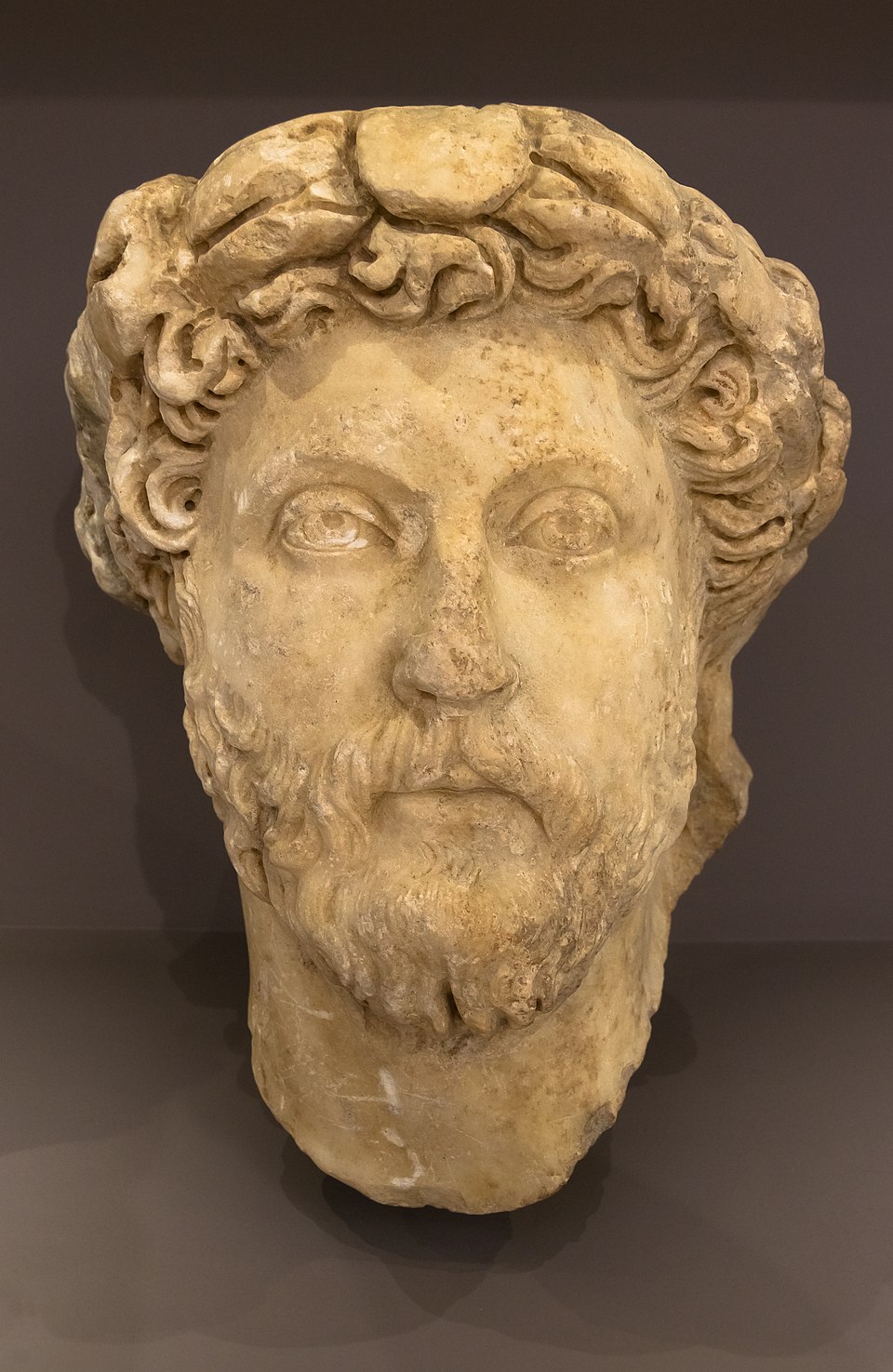
via Wikipedia · CC-BY-SA
81
Ideas
12
Passages
370
Citations
Works cited (1)
Ideas this author touches 81 Ideas · click an Idea to read in context
Good And Evil18Virtue And Vice15Justice12Man12Nature12God11Change10Happiness10Mind10Soul10State9Education8Life And Death8World8Beauty7Immortality7Law7Pleasure And Pain7Animal6Art6Government6Habit6Honor6Knowledge6Liberty6One And Many6Poetry6Will6Chance5Citizen5Emotion5Fate5Being4Cause4Courage4Element4Family4Opinion4Prudence4Rhetoric4Temperance4Time4Truth4Astronomy3Definition3Desire3Duty3Labor3Philosophy3Sin3Constitution2Custom And Convention2Democracy2Love2Matter2Medicine2Monarchy2Necessity And Contingency2Punishment2Reasoning2Relation2Religion2Wisdom2Angel1Eternity1Experience1Form1History1Infinity1Language1Memory And Imagination1Opposition1Principle1Prophecy1Quantity1Same And Other1Sense1Sign And Symbol1Tyranny1Universal And Particular1Wealth1
This MindMap is generated using weights to determine which ideas this thinker debates with others.
Passages by work
The Meditations12 passages
Meditations, BK n, SECT n 258a-b✓ correct
BEGIN the morning by saying to thyself, I shall meet with the busy-body, the ungrateful, arrogant, deceitful, envious, unsocial. All these things happen to them by reason of their ignorance of what is good and evil. But I who have seen the nature of the good that it is beautiful, and of the bad that it is ugly, and the nature of him who does wrong, that it is akin to me, not only of the same… Read the rest of this passage →
Meditations, BK in, SECT 16, 262d; BK ix, SECT 9 292b-d✓ correct
WE OUGHT to consider not only that our life is daily wasting away and a smaller part of it is left, but another thing also must be taken into the account, that if a man should live longer, it is quite uncertain whether the understanding will still continue sufficient for the comprehension of things, and retain the power of contemplation which strives to acquire the knowledge of the divine and the… Read the rest of this passage →
Meditations, BK vin, SECT 7 286a; BK ix, SECT 9, 292c CH 6, llla-c; CH 9, 114c-115a; CH 16 121d- 122d; CH 28, 134a*b; BK n, CH 8, 146a-c; BK in, CH 7, 183d; BK iv, CH 5, 228c-d; CH 7, 233a b; CH 11, 240d-241a✓ correct
THIS reflection also tends to the removal of the desire of empty fame, that it is no longer in thy power to have lived the whole of thy life, or at least thy life from thy youth upwards, like a philosopher; but both to many others and to thyself it is plain that thou art far from philosophy. Thou hast fallen into disorder then, so that it is no longer easy for thee to get the reputation of a… Read the rest of this passage →
Meditations, BK ix, SECT 9 292b-d : b✓ correct
HE WHO acts unjustly acts impiously. For since the universal nature has made rational animals for the sake of one another to help one another according to their deserts, but in no way to injure one another, he who transgresses her will, is clearly guilty of impiety towards the highest divinity. And he too who lies is guilty of impiety to the same divinity; for the universal nature is the nature… Read the rest of this passage →
Meditations, BK vi, SECT 23 276b✓ correct
THE substance of the universe is obedient and compliant; and the reason which governs it has in itself no cause for doing evil, for it has no malice, nor does it do evil to anything, nor is anything harmed by it. But all things are made and perfected according to this reason.
Let it make no difference to thee whether thou art cold or warm, if thou art doing thy duty; and whether thou art drowsy… Read the rest of this passage →
Meditations, BK vii, SECT 23 281b✓ correct
WHAT is badness? It is that which thou hast often seen. And on the occasion of everything which happens keep this in mind, that it is that which thou hast often seen. Everywhere up and down thou wilt find the same things, with which the old histories are filled, those of the middle ages and those of our own day; with which cities and houses are filled now. There is nothing new: all things are… Read the rest of this passage →
Meditations, BK i, SECT 14 254b-c; BK vi, SECT 30 276d-277a✓ correct
FROM my grandfather Verus I learned good morals and the government of my temper.
From the reputation and remembrance of my father, modesty and a manly character.
From my mother, piety and beneficence, and abstinence, not only from evil deeds, but even from evil thoughts; and further, simplicity in my way of living, far removed from the habits of the rich.
From my great-grandfather, not to have… Read the rest of this passage →
Meditations, BK xi, SECT 27 306b✓ correct
THESE are the properties of the rational soul: it sees itself, analyses itself, and makes itself such as it chooses; the fruit which it bears itself enjoys — for the fruits of plants and that in animals which corresponds to fruits others enjoy — it obtains its own end, wherever the limit of life may be fixed. Not as in a dance and in a play and in such like things, where the whole action is… Read the rest of this passage →
Meditations, BK iv, SECT 20 265ab✓ correct
THAT which rules within, when it is according to nature, is so affected with respect to the events which happen, that it always easily adapts itself to that which is and is presented to it. For it requires no definite material, but it moves towards its purpose, under certain conditions however; and it makes a material for itself out of that which opposes it, as fire lays hold of what falls into… Read the rest of this passage →
Meditations, BK VH, SECT 23 281b✓ correct
IN THE morning when thou risest unwillingly, let this thought be present — I am rising to the work of a human being. Why then am I dissatisfied if I am going to do the things for which I exist and for which I was brought into the world? Or have I been made for this, to lie in the bed-clothes and keep myself warm? — But this is more pleasant. — Dost thou exist then to take thy pleasure, and not at… Read the rest of this passage →
Meditations, BK xn, SECT 30 310a-b✓ correct
ALL those things at which thou wishest to arrive by a circuitous road, thou canst have now, if thou dost not refuse them to thyself. And this means, if thou wilt take no notice of all the past, and trust the future to providence, and direct the present only conformably to piety and justice. Conformably to piety, that thou mayest be content with the lot which is assigned to thee, for nature… Read the rest of this passage →
Meditations, BK x, SECT 7 297b-c✓ correct
WILT thou, then, my soul, never be good and simple and one and naked, more manifest than the body which surrounds thee? Wilt thou never enjoy an affectionate and contented disposition? Wilt thou never be full and without a want of any kind, longing for nothing more, nor desiring anything, either animate or inanimate, for the enjoyment of pleasures? Nor yet desiring time wherein thou shalt have… Read the rest of this passage →
Cited under: Angel · Animal · Art · Astronomy · Beauty · Being · Cause · Chance · Change · Citizen · Constitution · Courage · Custom And Convention · Definition · Democracy · Desire · Duty · Education · Element · Emotion · Eternity · Experience · Family · Fate · Form · God · Good And Evil · Government · Habit · Happiness · History · Honor · Immortality · Infinity · Justice · Knowledge · Labor · Language · Law · Liberty · Life And Death · Love · Man · Matter · Medicine · Memory And Imagination · Mind · Monarchy · Nature · Necessity And Contingency · One And Many · Opinion · Opposition · Philosophy · Pleasure And Pain · Poetry · Principle · Prophecy · Prudence · Punishment · Quantity · Reasoning · Relation · Religion · Rhetoric · Same And Other · Sense · Sign And Symbol · Sin · Soul · State · Temperance · Time · Truth · Tyranny · Universal And Particular · Virtue And Vice · Wealth · Will · Wisdom · World