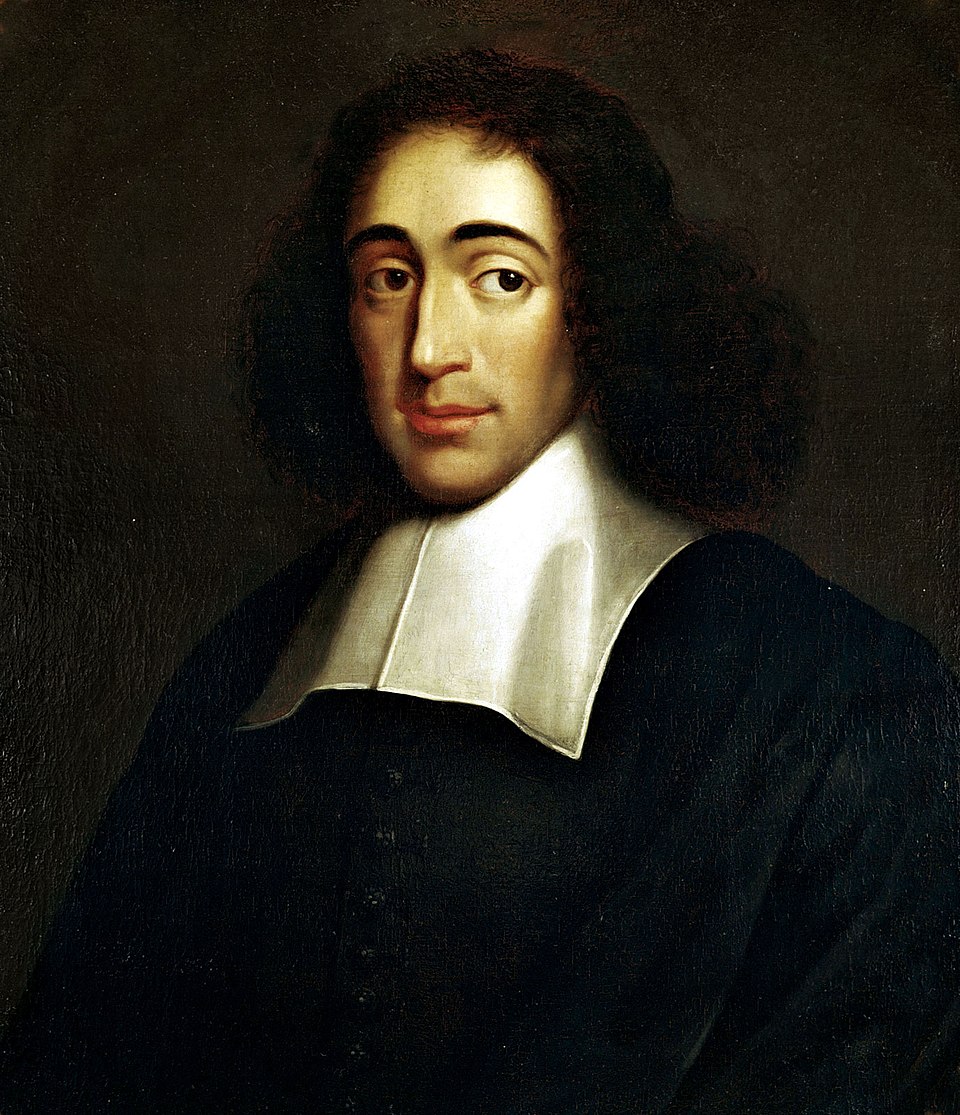
via Wikipedia · CC-BY-SA
84
Ideas
5
Passages
634
Citations
Works cited (1)
Ideas this author touches 84 Ideas · click an Idea to read in context
God26Being25Knowledge25Mind21Desire19Love19Virtue And Vice19Emotion18Good And Evil18Truth16Idea15Man15Memory And Imagination15Necessity And Contingency15Pleasure And Pain14Will14Change13Nature13Happiness12One And Many12State12Cause10Justice10Sense10Law9Liberty9Relation9World9Opinion8Same And Other8Time8Definition7Opposition7Science7Animal6Education6Infinity6Matter6Punishment6Soul6Universal And Particular6Wealth6Beauty5Eternity5Experience5Family5Habit5Life And Death5Mathematics5Principle5Sin5Chance4Citizen4Courage4Honor4Language4Philosophy4Space4Custom And Convention3Duty3Government3Immortality3Medicine3Reasoning3Sign And Symbol3Constitution2Fate2Form2Induction2Quantity2War And Peace2Astronomy1Democracy1Element1Judgment1Logic1Metaphysics1Monarchy1Physics1Quality1Religion1Slavery1Temperance1Wisdom1
This MindMap is generated using weights to determine which ideas this thinker debates with others.
Passages by work
Ethics5 passages
Ethics, PART in, PROP 57, SCHOL 415b; PART iv, PROP 37, SCHOL i, 435a-b✓ correct
FIRST PART OF GOD DEFINmONS 1. By cause of itself, I understand that, whose essence involves existence; or that, whose nature cannot be conceived unless existing. 2. That tiring is called finite in its own kind (insu-o genere) which can be limited by another thing of the same nature. For example, a body is called finite, because we always conceive another which is greater. So a thought is limited… Read the rest of this passage →
Ethics, PART m, PROP 57, SCHOL 415b 42b-43a / Human Understanding, BK n, CH ix, SECT 12-15 140c-141a✓ correct
ETHICS FIRST PART OF GOD DEFINmONS 1. By cause of itself, I understand that, whose essence involves existence; or that, whose nature cannot be conceived unless existing. 2. That tiring is called finite in its own kind (insu-o genere) which can be limited by another thing of the same nature. For example, a body is called finite, because we always conceive another which is greater. So a thought is… Read the rest of this passage →
Ethics, PART v, PREF 451a-452c b✓ correct
FIFTH PART OF THE POWER OF THE INTELLECT, OR OF HUMAN LIBERTY PREFACE I pass at length to the other part of Ethics which concerns the method or way which leads to liberty. In this part, therefore, I shall treat of the power of reason, showing how' much reason itself can control the affects, and then what is freedom of mind or blessedness. Thence we shall see how much stronger the wdse man is than… Read the rest of this passage →
Ethics, PART iv, DBF 4 424a✓ correct
FOURTH PART OF HUMAN BONDAGE OR OF THE STRENGTH OF THE AFFECTS PREFACE seems to have been the first signification of these words; but afterwards men began to The impotence of man to govern or restrain form universal ideas, to think out for themthe affects I call bondage, for a man who is selves types of houses, buildings, castles, and under their control is not his own master, but to prefer some… Read the rest of this passage →
Ethics, PART ii, PROP 10, SCHOL 376d-377a✓ correct
SECOND PART OF THE NATURE AND ORIGIN OF THE MIND I PASS on now to explain those things which must necessarily follow from the essence of God or the Being eternal and infinite; not indeed to explain all these things, for we have demonstrated (Prop. 16, pt. 1) that an infinitude of things must follow in an infimte number of ways,—but to consider those things only which may conduct us as it were by… Read the rest of this passage →
Cited under: Animal · Astronomy · Beauty · Being · Cause · Chance · Change · Citizen · Constitution · Courage · Custom And Convention · Definition · Democracy · Desire · Duty · Education · Element · Emotion · Eternity · Experience · Family · Fate · Form · God · Good And Evil · Government · Habit · Happiness · Honor · Idea · Immortality · Induction · Infinity · Judgment · Justice · Knowledge · Language · Law · Liberty · Life And Death · Logic · Love · Man · Mathematics · Matter · Medicine · Memory And Imagination · Metaphysics · Mind · Monarchy · Nature · Necessity And Contingency · One And Many · Opinion · Opposition · Philosophy · Physics · Pleasure And Pain · Principle · Punishment · Quality · Quantity · Reasoning · Relation · Religion · Same And Other · Science · Sense · Sign And Symbol · Sin · Slavery · Soul · Space · State · Temperance · Time · Truth · Universal And Particular · Virtue And Vice · War And Peace · Wealth · Will · Wisdom · World